Winnipeg's climate is one of the most punishing on the continent for home exteriors. We swing from minus 35 in January to plus 35 in July, and that thermal stress cycles through your eavestroughs, fascia, and soffit every single year. Most homeowners in River Heights, St. Vital, Transcona, and across the city don't think about their gutters until water is pouring down an interior wall — and by then, the damage almost always extends well beyond the gutters themselves. Knowing what to look for before you reach that point can save you thousands of dollars and a whole lot of stress.
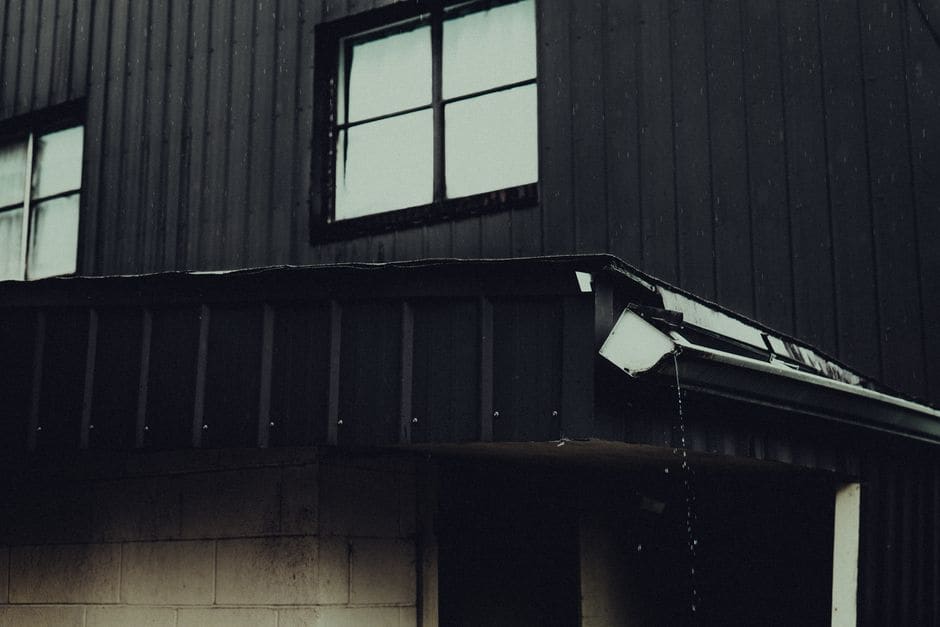
How Do I Know If My Eavestroughs Need Replacing?
Your eavestroughs need replacing if you notice any of the following: visible cracks, holes, or rust spots along the trough; sections that are visibly pulling away from the fascia board; paint peeling or water staining on the soffit and exterior siding directly below the gutter line; pooling water or erosion in your garden beds after rain; or water seeping into your basement after heavy precipitation. Any one of these signs on its own warrants a close inspection. Two or more together — especially if the gutters are more than 20 years old — typically means replacement is more cost-effective than repeated patching.
What Does Fascia and Soffit Damage Tell You About Your Gutters?
Damaged fascia and soffit are often the clearest early indicators that your eavestroughs have been failing for some time. When gutters overflow consistently — because they are clogged, sagging, or have failed seams — water backs up and saturates the wooden fascia board that the gutter is nailed to. In Winnipeg's freeze-thaw cycles, that moisture freezes, expands, and accelerates rot. If you press on your fascia board and it feels soft or spongy, the underlying wood is compromised, and the gutter attached to it likely cannot be re-hung properly without replacing the fascia first.
Soffit damage tells a slightly different story. The soffit — the horizontal board that covers the underside of your roof overhang — relies on proper ventilation and a dry environment to stay healthy. When eavestroughs overflow or leak at the back edge, water travels behind the gutter and soaks the soffit from above. You may notice paint bubbling, dark staining, or in severe cases, visible mold or rot on the soffit panels. In older Winnipeg homes, particularly those built in the 1950s and 1960s in neighbourhoods like Elmwood or West Kildonan, original wood soffit can deteriorate quickly once moisture gets in.
The Warning Signs Broken Down
- Sagging or uneven gutters: Gutters should slope slightly toward the downspout — about 6 mm for every 3 metres of run. If a section is visibly drooping or holding standing water after rain, the hangers have failed or the fascia they attach to has rotted through.
- Gaps at the seams or corners: Sectional gutters — common on older Winnipeg homes — are joined with sealant and connectors that break down over time. Gaps let water shoot directly onto the fascia and foundation.
- Rust streaks or orange staining: This signals that water is sitting in the gutter long enough to corrode the metal. It often means the pitch is wrong or the outlet is blocked.
- Peeling exterior paint below the gutter line: Consistent water overflow is hitting your siding, breaking down the paint film, and potentially wicking moisture into the wall cavity.
- Basement flooding after rain: If your downspouts are not directing water at least 1.5 metres from your foundation, or if the gutters overflow during moderate rain, water is pooling against your foundation — a serious issue in Winnipeg's clay-heavy soil, which does not drain quickly.
- Visible daylight through the gutter from below: Holes — even small ones — mean water is dripping directly onto the fascia every time it rains. Patch kits help temporarily, but widespread pinholing means the material has thinned and replacement is coming soon.
When Is It Time to Worry About Ice Dam Damage to Your Eavestroughs?
Ice dams are one of the most destructive forces acting on Winnipeg eavestroughs, and they can turn a repairable gutter into a write-off in a single winter. When heat escapes through an under-insulated attic and melts snow on the upper roof, that water runs down and refreezes at the cold eave — directly in and around your eavestrough. The expanding ice can rip gutters completely off the fascia, bend aluminium sections out of shape, and force water up under the shingles and into the roof deck. If your eavestroughs took a hit from significant ice dams last winter, a thorough inspection in spring is not optional.
Signs of ice dam damage include gutters that are visibly bent, twisted, or hanging at an angle; fasteners that have been pulled out of the fascia; and interior water stains on ceilings near the exterior walls. For homeowners dealing with active or recurring ice dam problems, our ice dam and storm response service can assess whether the issue is primarily a gutter problem, an insulation and ventilation problem, or both — before another Manitoba winter makes it worse.
Aluminium vs. Steel: Which Fails Faster in Winnipeg Conditions?
Most eavestroughs installed in Winnipeg today are seamless aluminium, which handles freeze-thaw cycling reasonably well and does not rust. Older galvanized steel gutters — still found on plenty of homes in Fort Rouge, Wolseley, and Point Douglas — are far more susceptible to rust and cracking as they age. If your home still has steel gutters that are more than 25 years old, replacement with seamless aluminium is almost always the right call rather than continued repair.
| Warning Sign | Likely Cause | Repair or Replace? |
|---|---|---|
| Single small hole or crack | Age, impact damage | Repair (patch kit) |
| Multiple holes or widespread rust | Material failure — steel or thin aluminium | Replace |
| Sagging section, hangers intact | Incorrect pitch or blockage | Repair (re-pitch and clean) |
| Sagging section, fascia rotted | Long-term overflow damage | Replace gutters + fascia |
| Leaking seams on sectional gutters | Sealant failure at joints | Repair if isolated; replace if widespread |
| Ice dam damage — bent or torn sections | Freeze-thaw and ice loading | Replace affected sections |
| Soft, rotted fascia board | Chronic water overflow | Replace fascia and gutters together |
How Often Should Winnipeg Homeowners Inspect Their Eavestroughs?
At minimum, inspect your eavestroughs twice a year: once in late October or early November after the elm and ash leaves have fallen, and once in April after the last significant freeze. Winnipeg's mature tree canopy — especially in older neighbourhoods like Crescentwood and Tuxedo — means gutters can fill with leaf debris and seed pods quickly. A blocked eavestrough that freezes solid in November can cause significant damage before you even notice it. If your home is surrounded by mature trees, a third inspection in late spring after the cottonwood fluff season is worth doing.
Not Sure Whether to Repair or Replace Your Eavestroughs?
Get a no-obligation assessment from a Winnipeg eavestrough specialist who can tell you exactly what your gutters, fascia, and soffit need — before winter makes the problem worse.
Get My Free QuoteFrequently Asked Questions
Can I replace just one section of my eavestroughs or does the whole system need to go?
You can replace a single section if the rest of the gutter system is structurally sound and the same profile is still available — this is straightforward with standard 4-inch or 5-inch K-style aluminium gutters. However, if the problem section is failing because the underlying fascia is rotted or because the entire run is old and mismatched, replacing only one section is often a short-term fix that leads to another call within a year or two.
How much does eavestrough replacement cost in Winnipeg?
Most Winnipeg homeowners pay between $8 and $15 per linear foot for seamless aluminium eavestrough installation, including materials and labour — so a typical bungalow with 40 to 50 metres of guttering runs roughly $1,500 to $3,500 depending on the home's complexity, the number of corners and downspouts, and whether fascia repairs are needed at the same time. Homes with significant fascia rot or two-storey sections will fall toward the higher end of that range.
Do I need a permit to replace eavestroughs in Winnipeg?
Replacing eavestroughs on a residential property in Winnipeg does not typically require a building permit, as it is considered routine maintenance work rather than structural alteration. However, if the work involves changes to grading, drainage, or significant structural repairs to the roof edge, it is worth checking current requirements with the City of Winnipeg's Permits and Inspections Branch to confirm before work begins.