Winnipeg winters are some of the most punishing on residential roofing in Canada. With temperatures swinging from -35°C in January to above freezing in February — sometimes within the same week — the conditions for ice dam formation are practically baked into our climate. When an ice dam forms along your eaves and starts pushing water back under your shingles, the result can be a leak that damages your insulation, drywall, and even your home's structural framing. If you are dealing with an ice dam causing a leak in your roof right now, you are not alone, and there are specific steps you need to take before the problem gets worse.
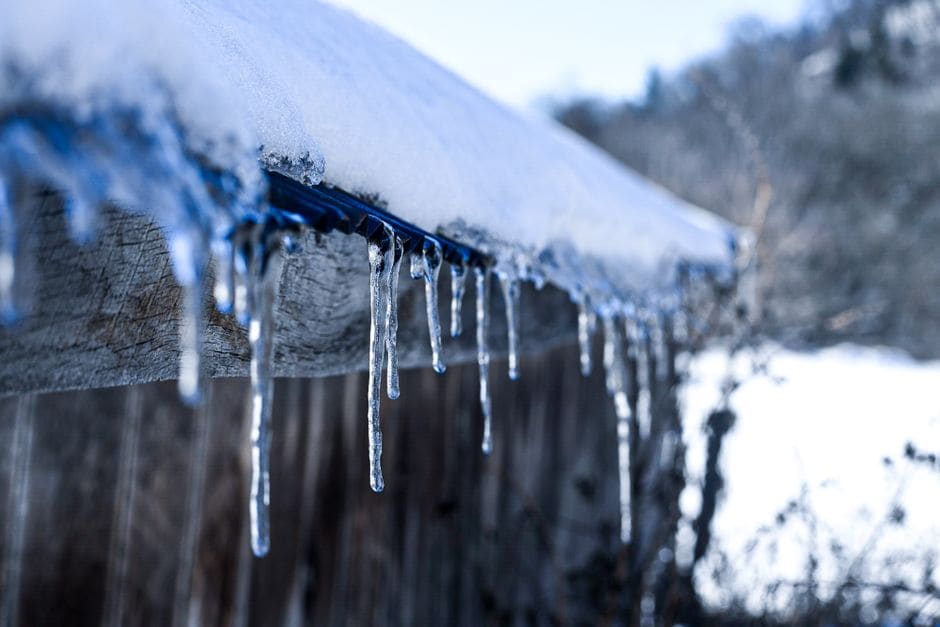
What Causes Ice Dams on Winnipeg Roofs?
Ice dams form when heat escapes from your living space into the attic, warming the roof deck and melting the snow sitting on top of it. That meltwater runs down toward the eaves, which are colder because they extend beyond the heated envelope of your home. When the water hits that cold overhang, it refreezes — and over days or weeks, it builds up into a thick ridge of ice. Winnipeg homes are especially vulnerable because our freeze-thaw cycles are frequent and extreme. Older neighbourhoods like Wolseley, St. Boniface, and River Heights are full of homes with aging insulation and ventilation systems that simply were not designed to handle the temperature swings we experience today.
Once that ice ridge forms, it acts like a dam. Meltwater backs up behind it, sits against your shingles, and eventually finds a path through — usually around nail holes, flashing, or any point where your roofing system has even a minor weakness. By the time you see a water stain on your ceiling, the damage has often been building for days.
How Does Your Eavestrough System Make Ice Dams Worse?
Your gutters play a bigger role in ice dam formation than most homeowners realize. Gutters clogged with leaves, cottonwood fluff, or debris from Manitoba's elm trees freeze solid early in the season. That frozen mass in your eavestrough prevents any meltwater from draining and gives ice dams a solid platform to anchor and grow. It is a compounding problem: the clog creates the ice, and the ice creates the leak.
This is exactly where gutter guards enter the conversation. The core premise of a gutter guard is simple — keep debris out of the trough so water always has a clear path to your downspouts. But are they actually worth the investment in Winnipeg's climate? The answer requires a closer look at how different guard types perform in our specific conditions.
Are Gutter Guards Worth It for Winnipeg Homes?
For most Winnipeg homes, quality micro-mesh or solid-cover (reverse curve) gutter guards are worth the investment, particularly if you have mature trees overhead or have dealt with ice dams or clogs in previous winters. A well-installed guard keeps your eavestrough clear through the fall so that when freeze-up hits in November, water can still flow freely rather than pooling and freezing in a blocked trough. That free-flowing drainage is one of the most practical and affordable steps you can take to reduce ice dam risk before it becomes a roof leak.
That said, not all gutter guards are created equal, and some cheaper foam or brush-style inserts can actually trap debris and moisture — making your ice dam problem worse in Winnipeg winters. Here is a comparison of common guard types and how they hold up in Manitoba conditions:
| Guard Type | Debris Performance | Ice Dam Risk | Winnipeg Suitability | Approx. Cost (per linear ft.) |
|---|---|---|---|---|
| Micro-mesh (aluminum) | Excellent — blocks fine debris | Low — allows drainage | High | $8 – $15 |
| Reverse curve / solid cover | Good — sheds large debris | Low to moderate | High | $10 – $20 |
| Perforated aluminum screen | Moderate — small debris passes | Moderate | Moderate | $3 – $8 |
| Foam insert | Poor — debris embeds in foam | High — traps moisture | Low | $2 – $5 |
| Brush insert | Poor — debris catches in bristles | High — ice forms in brush | Low | $2 – $6 |
What Should You Do Right Now If You Have an Active Leak from an Ice Dam?
If you currently have water coming into your home because of an ice dam, your first priority is to relieve the pressure of the ice as safely as possible. Do not climb on a snow-covered, icy roof — this is a serious safety risk and causes injuries every winter in Winnipeg. Instead, use a roof rake to pull snow back from the eaves while standing on the ground. You can also create channels through the ice dam using calcium chloride ice melt packed into nylon tubes or old pantyhose laid perpendicular to the dam — this opens a drainage path without damaging your shingles the way rock salt does.
Never use a heat gun, open flame, or pressure washer on an ice dam. These methods risk fire, shingle damage, and personal injury. If the leak is active and significant, contact a professional roofing or eavestrough contractor before attempting DIY removal on a steep or high roof.
Once the immediate crisis is managed, the next step is addressing the underlying eavestrough condition. Clearing, resealing, or repairing your gutters before the next freeze cycle is critical. Our team handles eavestrough repair and resealing across Winnipeg, including patching leaking seams and joints that allow ice and water to migrate behind the fascia board.
Long-Term Prevention: Insulation, Ventilation, and Your Gutters Working Together
The most durable fix for recurring ice dams is a combination of improved attic insulation, proper soffit and ridge ventilation, and clean, well-maintained eavestroughs. In Winnipeg neighbourhoods with older housing stock — think Transcona, West End, or East Kildonan — attic insulation often falls below current Manitoba building code minimums, allowing significant heat loss that feeds the ice dam cycle year after year. Bringing your attic insulation up to current standards (at minimum R-50 for most Manitoba homes) dramatically reduces the heat differential that causes snow to melt unevenly on your roof. Pairing that with gutter guards ensures that when meltwater does run, it has a clear path off your roof and away from your foundation.
Worried About Ice Dams Damaging Your Roof This Winter?
Get a free quote from Winnipeg's eavestrough specialists — we will assess your gutters, recommend the right guard system, and help you stop ice dams before they cause another costly leak.
Get My Free QuoteFrequently Asked Questions
How much does it cost to fix an ice dam leak in Winnipeg?
Ice dam removal in Winnipeg typically runs $200 to $600 depending on the size of your roof and the severity of the ice buildup. If the leak has caused interior water damage — soaked insulation, stained drywall, or mould — repairs can easily run into the thousands. Getting the ice cleared and the eavestrough addressed quickly keeps costs manageable.
Will my home insurance cover a roof leak caused by an ice dam in Manitoba?
Many Manitoba home insurance policies cover sudden and accidental water damage from ice dams, but coverage varies by insurer and policy wording. Damage caused by long-term neglect or a known maintenance issue is often excluded, so it is important to document the damage promptly and contact your insurer as soon as a leak is discovered.
Can heat cables on my eavestroughs prevent ice dams in Winnipeg?
Self-regulating heat cables installed along your eaves and inside your downspouts can prevent ice from forming in those specific areas, but they do not address the root cause — heat loss through the roof deck. They are a useful supplemental tool for problem areas like north-facing eaves or heavily shaded sections of a Winnipeg home, but they consume electricity and are not a substitute for proper insulation and ventilation.
How do I know if my Winnipeg home's attic is contributing to ice dam formation?
A reliable sign is uneven snow melt on your roof — if snow disappears from the main roof slope but stays thick near the eaves, heat is escaping through your attic and causing exactly the freeze-thaw cycle that leads to ice dams. You can also check your attic in winter: if it feels warm or you can see frost on the underside of the roof deck, you likely have inadequate insulation or ventilation.
Do gutter guards need to be removed in winter or maintained differently in Winnipeg's climate?
Quality aluminum micro-mesh or solid-cover gutter guards do not need to be removed in winter and are designed to stay in place year-round. You should still inspect them in early spring after the ice has cleared to ensure no sections have shifted or been lifted by heavy ice, and to clear any debris that accumulated on top of the mesh during the fall season.